
Serena Zhou

view related blogs
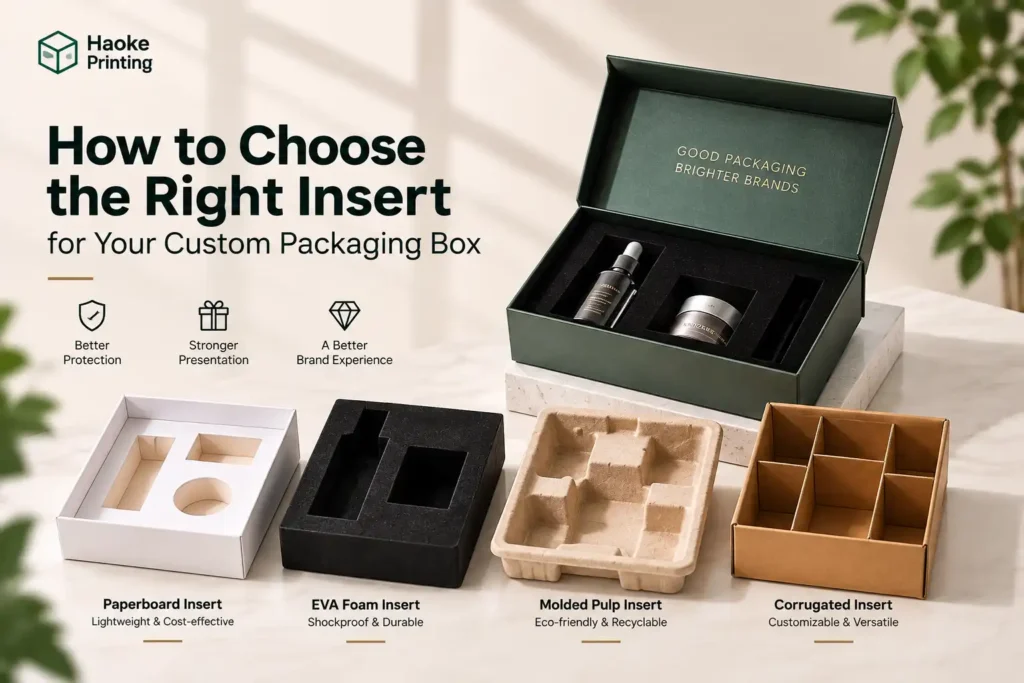
How to Choose the Right Insert for Your Custom Packaging Box?
Compare paperboard, EVA foam, molded pulp, and corrugated inserts to find the right protection and presentation for your custom packaging.
START READING →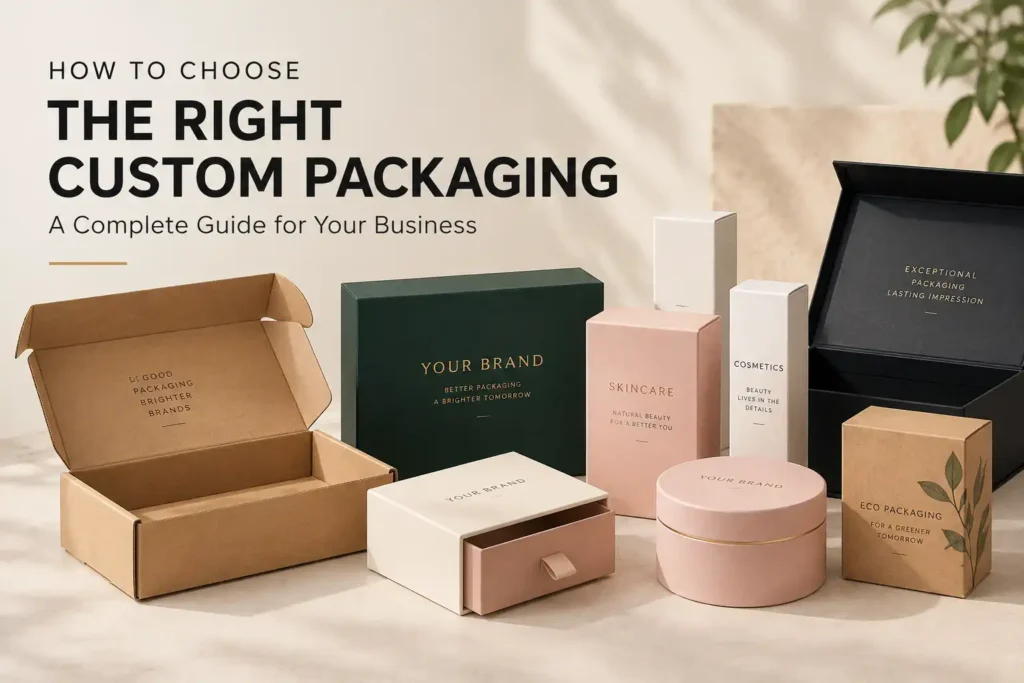
How to Choose the Right Custom Packaging for Your Products?
Learn how to choose the right custom packaging structure, materials, protection, and presentation to create better packaging for your products and brand.
START READING →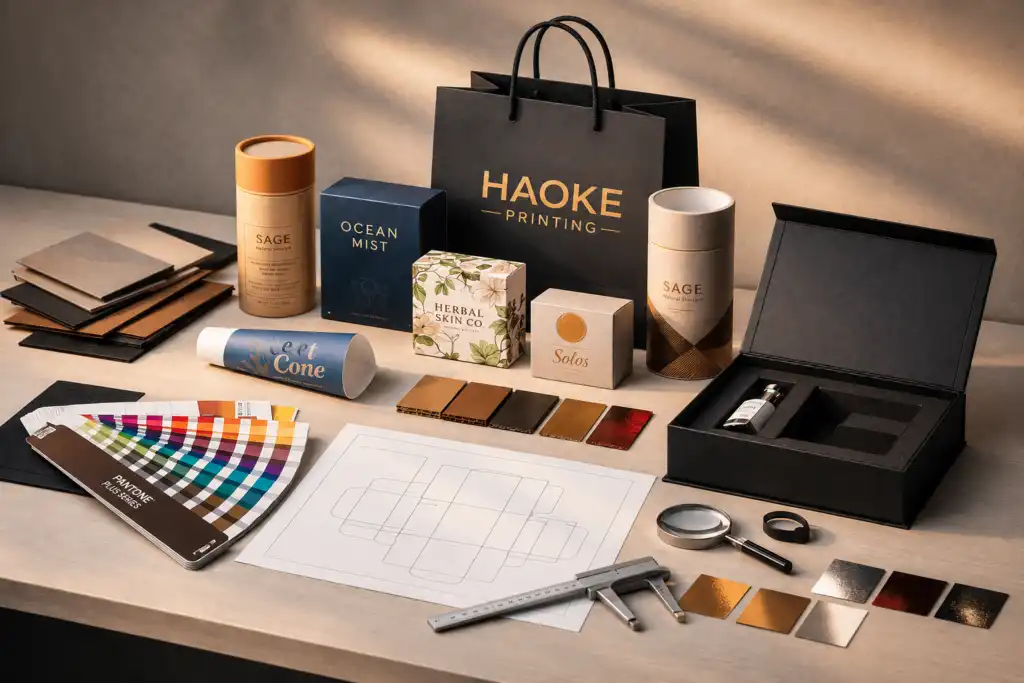
How to design a box?
Learn how to design custom packaging for your products, including box styles, materials, printing, finishes, and inserts to create the right packaging for your brand.
START READING →
Choosing the right packaging box insert is important for protecting your product and creating a better presentation.
A beautiful box is only one part of good packaging. What goes inside the box is just as important.
A custom packaging insert helps hold your product securely in place, protects it during transportation, and improves the overall presentation when your customer opens the box.
However, different products require different types of inserts. EVA foam may work well for electronics or premium gift sets, while a paperboard insert may be more suitable for cosmetics or lightweight products.
So, how do you choose the right insert for your custom packaging box?
Here are the main options and factors you should consider.
1. Paperboard Inserts
Paperboard inserts are one of the most common choices for custom packaging.
They can be die-cut and folded to match the shape and dimensions of your product. They are especially suitable for lightweight products that do not require heavy cushioning.
Paperboard inserts are commonly used for:
They can also be printed to match your box design, helping create a consistent branded appearance.
For brands looking for a clean presentation with less plastic, paperboard inserts are often worth considering.
2. EVA Foam Inserts
EVA foam provides more cushioning and support than standard paperboard.
The foam can be precisely cut according to the shape of your product, allowing individual items to fit securely inside the packaging.
EVA inserts are often used for:
Different foam thicknesses can be selected depending on the size and weight of your product.
For luxury packaging, EVA foam can also be covered with paper, fabric, velvet, or other materials to create a more premium appearance.
3. Molded Pulp Inserts
Molded pulp is another option for brands looking for paper-based protective packaging.
It is formed into a specific shape to hold and protect the product while reducing the use of plastic-based materials.
Molded pulp inserts can be suitable for electronics, cosmetics, bottles, household products, and other items that require additional protection.
However, tooling requirements and order quantities should be considered when deciding whether molded pulp is appropriate for your project.
4. Corrugated Inserts
For heavier products or products that need additional protection during shipping, corrugated inserts can be a practical solution.
Corrugated board provides greater structural strength than standard paperboard and can be designed with compartments, dividers, or supports.
It is particularly useful for:
The thickness and flute type can be selected according to the weight and protection requirements of your product.
Quick Comparison of Packaging Box Inserts
Different insert materials offer different levels of protection, presentation, and customization. The table below provides a quick comparison of the most common packaging box insert options.
Strong structure, impact protection and suitable for shipping
5. Consider Your Product Size and Shape
Before choosing an insert material, you need accurate product dimensions.
Measure the:
Length × Width × Height
If your packaging contains several products, provide the dimensions of each item and indicate how you would like them arranged inside the box.
For irregularly shaped products, photos, drawings, or physical samples can help your packaging manufacturer design a more accurate insert.
The goal is to prevent unnecessary movement while still making the product easy to remove.
6. Think About Product Weight and Fragility
A lightweight cosmetic tube and a heavy glass bottle should not use the same insert structure.
Fragile products usually require more cushioning and support, while lightweight products may only need a folded paper insert to keep them correctly positioned.
Before choosing an insert, consider:
For products shipped internationally, the packaging should also be designed to withstand handling throughout transportation.
7. Match the Insert With Your Brand Positioning
The insert also affects how customers perceive your packaging.
For example, a precisely cut insert inside a rigid gift box can create a more organized and premium presentation.
You can also coordinate the insert color and material with your outer packaging.
For luxury packaging, details such as black EVA foam, velvet-covered inserts, printed paper inserts, or carefully designed product compartments can significantly change the overall appearance.
8. Consider Packaging and Shipping Costs
More complex does not always mean better.
A thick foam insert may provide excellent protection, but it can also increase the overall box size, material cost, and shipping volume.
A well-designed paperboard insert may achieve the required protection with less material for certain products.
When developing custom packaging, it is useful to consider the box and insert together, rather than designing them separately.
This can help you find a better balance between presentation, protection, and total packaging cost.
Test the Insert Before Mass Production
Before mass production, it is recommended to test the actual product inside a packaging sample.
Check whether:
Small adjustments at the sampling stage can prevent much larger problems during mass production.
Need Help Designing a Custom Packaging Insert?
The right insert depends on your product, box structure, protection requirements, quantity, and budget.
At Haoke Printing, we can customize packaging boxes and inserts according to your product requirements.
Send us your product dimensions, photos, estimated order quantity, logo or artwork, and packaging requirements. Our team can help you determine a suitable box and insert solution for your product.
Contact us or request a custom packaging quote today.